SAS vs SATA vs NVMe: Which Drive Is Right for Your Server?
How SAS, SATA and NVMe drives differ in speed, reliability, cost and compatibility, and how to choose for your server.
SAS, SATA and NVMe are three ways a drive connects to a server. They are not interchangeable: the controller, backplane and drive carrier in your server decide which ones will work.
SATA
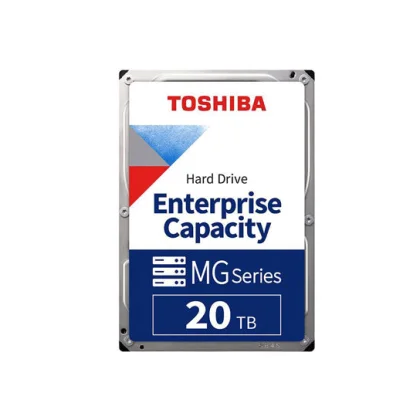
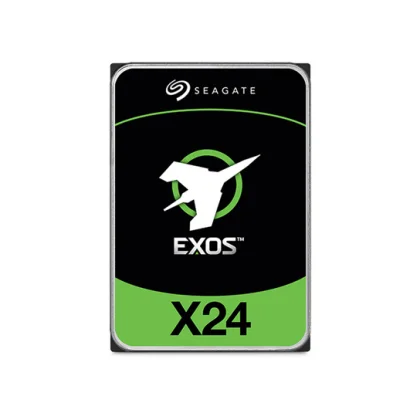
SATA is the most common and lowest-cost interface. It suits capacity storage, backup targets, NAS and entry-level servers. Enterprise SATA drives are built for 24/7 use, unlike desktop drives.
SAS
SAS (Serial Attached SCSI) is the traditional enterprise interface. It supports dual ports for redundant paths, deeper command queues and longer cable runs, and is common in servers and storage arrays. Hard drives come in 7.2K, 10K and 15K RPM models; SAS SSDs are also available.
NVMe
NVMe connects flash storage directly over PCIe and delivers far lower latency and higher throughput than SATA or SAS. It suits databases, virtualization, AI and all-flash storage, and needs a server with NVMe bays or M.2/U.2 slots.
How to choose
| Need | Usually a fit |
|---|---|
| Lowest cost per terabyte | SATA enterprise HDD |
| Enterprise server or array with redundancy | SAS HDD or SAS SSD |
| Highest speed and lowest latency | NVMe SSD |
Always check your server model, backplane, controller and drive carrier before ordering. Browse SAS HDD, SATA HDD, enterprise SSD and NVMe SSD, or request a quote and we will confirm compatibility.